How to Keep Youth Baseball Fun Under Pressure
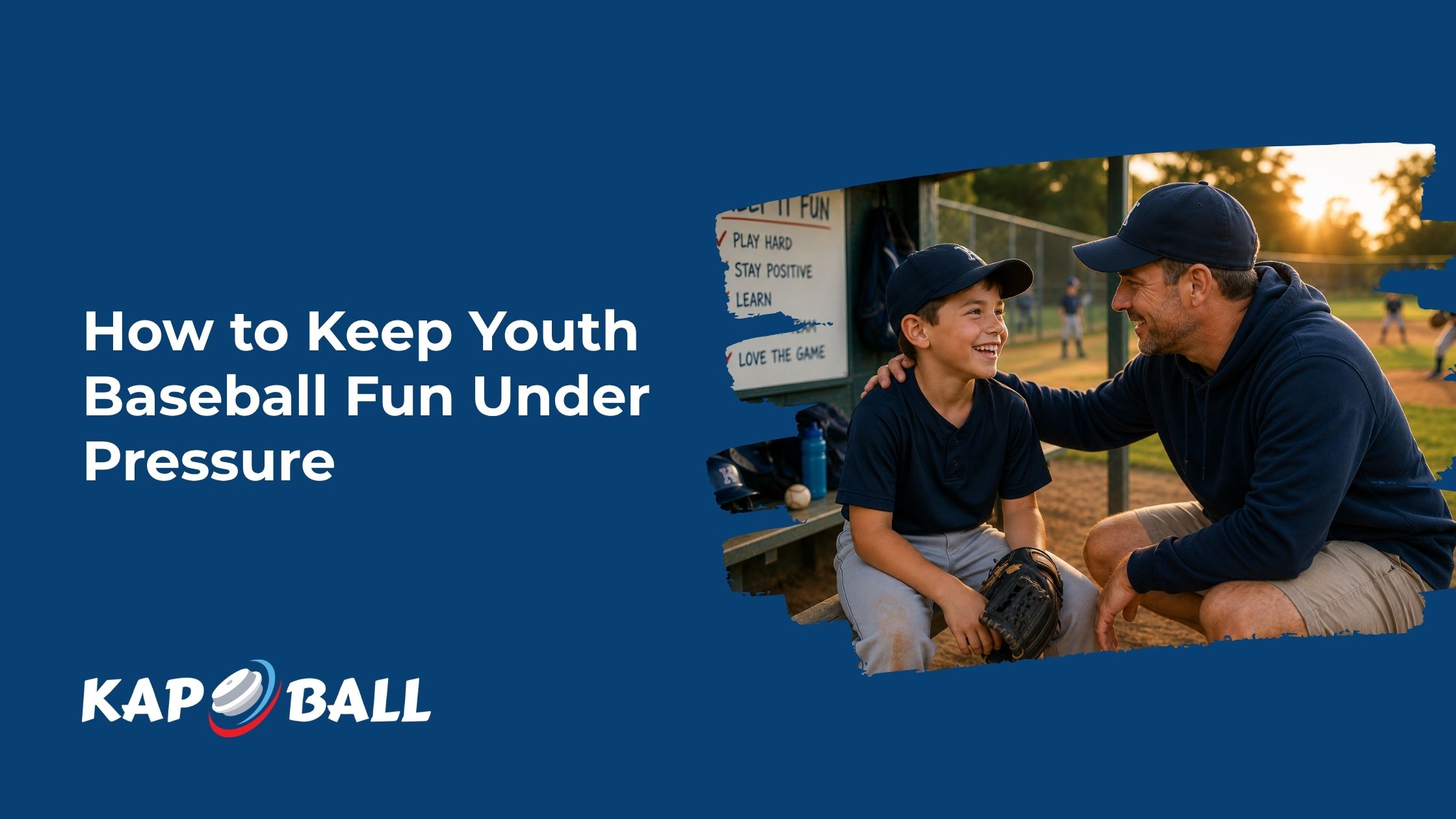
Baseball is supposed to be fun.
That sounds obvious, but somewhere along the way, many young players start feeling more pressure than enjoyment. They worry about mistakes, getting hits, making teams, pleasing coaches, or disappointing parents.
When that pressure builds up, something important happens:
Kids stop playing freely.
They tighten up. They overthink. They become afraid to fail. And sometimes, they slowly lose the joy that made them love the game in the first place.
As coaches and parents, one of our biggest responsibilities is protecting that joy while still helping kids grow and improve.
Because here’s the truth:
Kids who enjoy baseball usually stay with baseball longer. And players who stay with the game longer almost always improve more over time.
Fun and development are not opposites. They actually work together.
Why Pressure Shows Up So Early
A lot of parents are surprised by how early kids start feeling pressure in sports.
Even young players can become deeply aware of:
Scores
Errors
Strikeouts
Playing time
Expectations
Comparisons
Sometimes the pressure comes from outside voices. Sometimes it comes from the player internally because they care so much.
Neither is automatically bad.
Pressure becomes a problem when kids start believing mistakes define them.
That’s when baseball starts feeling heavy instead of exciting.
The Difference Between Healthy Competition and Fear
Competition is good for kids.
Learning how to work hard, compete, and handle challenges are valuable life lessons.
But healthy competition looks different than fear-based pressure.
Healthy competition says:
“Let’s learn.”
“Let’s compete.”
“Let’s improve.”
“Let’s bounce back.”
Fear-based pressure says:
“Don’t mess up.”
“You better get a hit.”
“Everyone is watching.”
“Mistakes are embarrassing.”
Young players play their best when they feel challenged, not threatened.
That distinction matters a lot.
Focus on Effort, Not Just Results
One of the fastest ways to keep baseball fun is changing what gets praised.
If kids only hear excitement after hits or big plays, they begin believing results are the only thing that matters.
Instead, notice the little things:
Hustle
Positive attitude
Focus
Encouragement toward teammates
Bouncing back after mistakes
Being prepared
Competing hard
A player can go 0-for-3 and still have a fantastic game.
Kids need help seeing that.
Let Kids Own Their Baseball Journey
Sometimes adults accidentally carry the emotional weight of the game more than the players themselves.
After tough games, parents often want to:
Fix mechanics
Analyze mistakes
Re-teach situations
Offer immediate feedback
Usually, that comes from love and wanting to help.
But many young players simply need space after games.
Sometimes the best thing you can ask is:
“Did you have fun today?”
Or:
“What was your favorite part?”
When kids feel ownership over their experience, baseball becomes healthier emotionally.
Normalize Mistakes
Failure is built into baseball.
Even great hitters fail most of the time.
That’s hard for young players to understand at first.
Many kids think one error or strikeout means they had a terrible game. They replay mistakes in their heads for hours afterward.
As adults, we can help normalize those moments.
Mistakes are not proof a player is failing.
Mistakes are part of learning baseball.
One of the healthiest team cultures I’ve ever seen was a group where players could make mistakes without fear of embarrassment. The kids played loose, aggressive, and confident because they knew one mistake would not define them.
That environment changes everything.
Keep Practices Fun and Competitive
Fun does not mean disorganized.
Kids actually enjoy practices more when they are:
Active
Challenging
Encouraging
Competitive in healthy ways
Simple games and competitions can make a huge difference:
Relay races
Target throwing games
Team challenges
Timed fielding drills
Point systems
When practices feel engaging, players connect positive emotions with improvement.
That’s powerful for long-term growth.
One of the easiest ways to reduce pressure is creating opportunities for kids to practice and play in a relaxed environment outside of games.
That’s one reason we built Kapball. Young players need repetitions that feel fun, approachable, and confidence-building, especially beginners who may feel overwhelmed during team practices or games.
Simple backyard reps, parent-child catch sessions, and easy-to-follow drills can help kids build confidence without the pressure of competition. When players feel successful at home, they often carry that confidence onto the field.
Watch for Signs of Burnout
Sometimes pressure slowly drains the enjoyment out of sports.
A few signs to pay attention to:
Constant anxiety before games
Emotional shutdown after mistakes
Fear of trying new positions
Loss of enthusiasm
Complaining about practices repeatedly
Feeling relief when games are canceled
Those signs do not always mean a child wants to quit baseball.
Often, it means they need support, balance, encouragement, and a reminder that the game is still supposed to be enjoyable.
What Kids Remember Most
Years from now, most kids will not remember every score or stat line.
They will remember:
How adults made them feel
Whether they felt supported
The friendships
The laughs in the dugout
The confidence they built
The moments they felt proud of themselves
That’s the real impact youth sports can have.
And honestly, that’s bigger than baseball.
Final Thoughts
Pressure is part of sports. That will never completely disappear.
But when young players feel supported, encouraged, and free to learn through mistakes, baseball stays enjoyable even during challenging moments.
The goal is not removing competition.
The goal is making sure joy survives alongside it.
Because confident players grow best in environments where they feel safe, challenged, and excited to keep coming back.
Next Step
If your player has been feeling pressure during games, try creating more relaxed baseball moments at home this week. Play catch in the backyard. Keep drills short and encouraging. Focus on fun, not perfection.
That’s a big part of why we created Kapball. We want to help parents build confident, capable ballplayers through simple, enjoyable practice experiences that kids actually look forward to.
Small positive reps can make a huge difference over time.

